2011
Industrial Design, User Experience, User Interface, Product Management
Glucose Meters
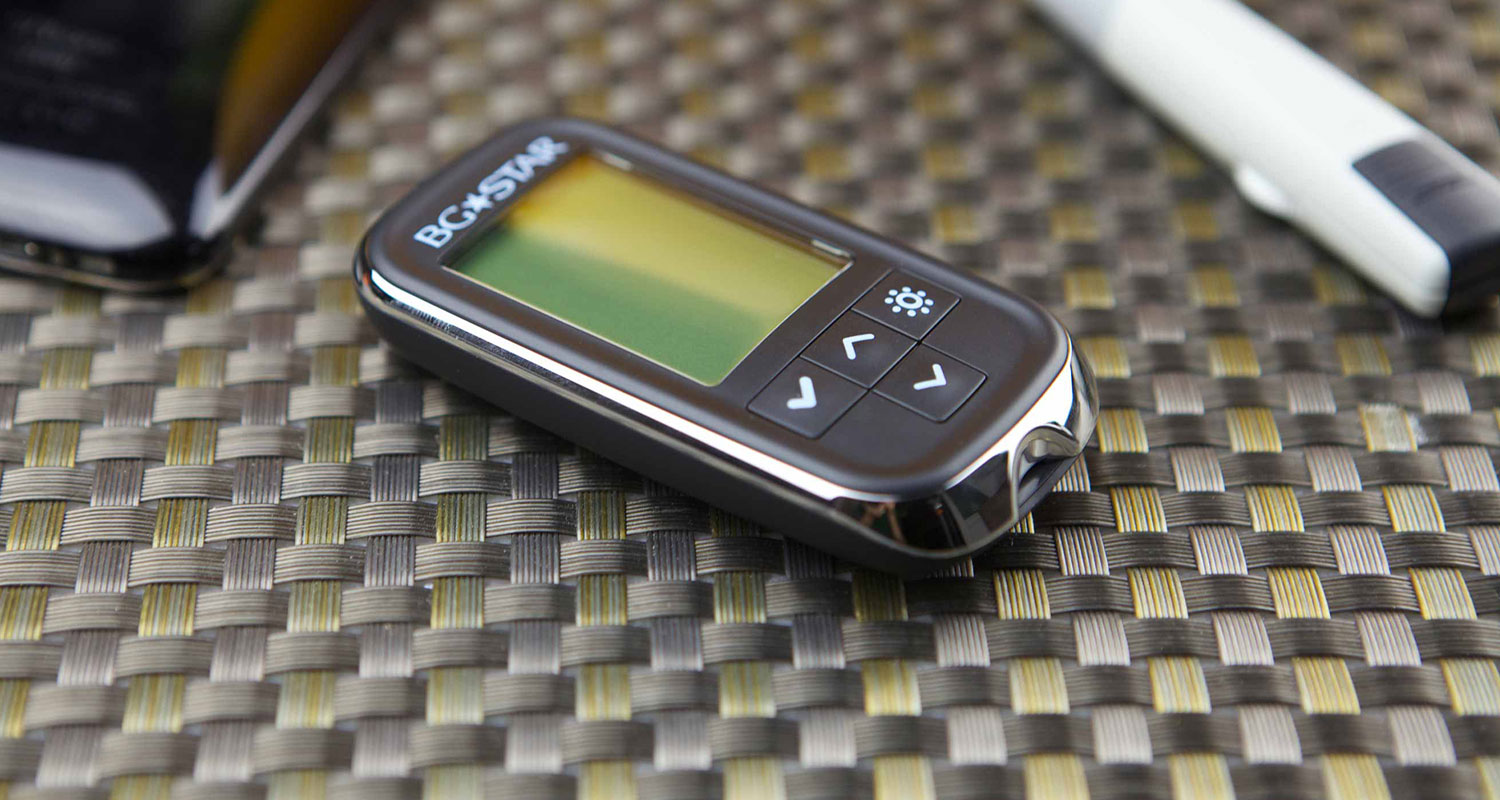
Over the course of my career, I designed a number of blood glucose meters; both for our own brand and AgaMatrix and private label lines at CVS, Kroger, and Sanofi. These ranged from single-button, postage-stamp LCD devices to full-color screens with dosing helpers and advanced onboard logic.
Glucose meters sit at a strange intersection: a medical device with consumer-electronics expectations, a product that must feel friendly while carrying regulatory weight. It’s a device people rely on in moments that matter, yet it’s effectively given away for free. They also live in a unique economic world. You give away the meter and make money on the strips. That reality creates a design environment where every cent is scrutinized. Features are weighed not only on usability but on cost-of-goods. A nicer display, a better button, even a slightly different exterior finish all demand justification.
Designing for Multiple Generations
I loved the golden age of cellphone design; the pre-iPhone era when hardware still had personality. Glucose meters, even today, feel like a vestige of that world. They don’t have to be monochrome slabs. They can have curvature, tactility, color, physical affordances. Designing them felt like one of the last places where hardware wasn’t fully commoditized or flattened into sameness. I entered this space during an inflection point: more young people were being diagnosed with diabetes, while the long-established older demographic still needed accessible, low-cognitive-load devices. This means the design needs were always split. They had to both serve users who had never used a computer, but also appeal to users who expected modern UX references. A meter needed to feel obvious without feeling dated.
Working with Constraints
Most glucose meters run on embedded systems with burned-in LCDs. There are no flexible UI layers, no firmware-over-the-air updates. What you shipped was what existed forever and there weren’t any do-overs. A mistake meant a total recall. Paradoxically, working within those limits was gratifying. You had to iterate, test, and commit. Because meters are essentially promotional items, every decision mattered. Injection-mold complexity, LCD segment count, Plastics vs. coatings, Every screw, clip, and snap feature was scrutinized. Crafting something that felt premium while costing pennies is the hidden art form in this domain.
Impact that Sticks
Many of the meters I worked on are still on store shelves and still in purses, bathroom drawers, and travel kits years later. Designing for medical needs often lacks glamour, but the longevity and the quiet reliability becomes its own reward.
Explore Additional Projects
-
Lab MonitoringLab Monitoring
-
Muscle HealthMuscle Health
-
Muscle Health AppMuscle Health App
-
Bike CustomizationBike Customization